



.png)


.png)

No therapy can work alone. We need to manage lifestyle factors and take precautions before judging the effectiveness of any therapy. Studies suggest infrared therapy can be effective for managing pain, particularly chronic pain conditions like low back pain and arthritis. It may also help reduce inflammation associated with these conditions. It seems to promote wound healing by improving circulation and stimulating tissue regeneration. Some research suggests infrared therapy may improve skin conditions like psoriasis and eczema. Infrared saunas, which use infrared light to generate heat, can promote relaxation and potentially improve sleep quality. Infrared therapy is best seen as a complementary therapy, not a replacement for standard medical treatment.
This blog, which summarizes various research studies by medical students on the potential benefits of infrared therapy, can be a helpful resource. While you can learn about precautions and proper use of infrared therapy here, it's important to consult a doctor for personalized advice on any health matter.
Infrared therapy
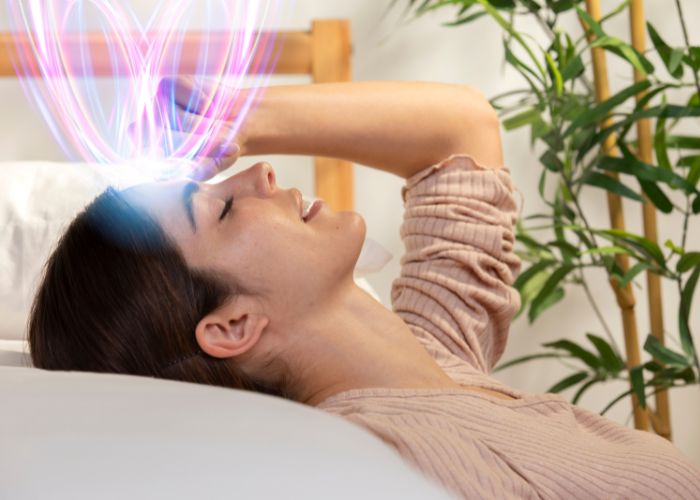
Infrared therapy is a type of treatment that uses invisible light to deliver heat to the body. The purpose of the infrared therapy can vary according to need. Some use it for pain relief while others use it for skin aging. infrared saunas, which use infrared light to generate heat, can promote relaxation and potentially improve sleep quality. Whereas it increases blood circulation which helps in different matters.It may not be a miraculous cure, but it can offer some relief and promote healing.
Health Advice on Infrared Therapy
Doctors believe infrared therapy has potential benefits for pain relief, particularly in chronic conditions like arthritis or lower back pain. Some doctors also recommend its use to aid wound healing. However, it's important to remember that infrared therapy is not a cure-all. Doctors' health advises using it alongside prescribed medications or therapies for a more comprehensive treatment approach.
Health & beauty advice for beginners on infrared therapy
The Health & Beauty advice for beginners on Infrared therapy can be delivered through lamps, saunas, pads, and wraps. Infrared therapy benefits and disadvantages in each method. Consider factors like portability, treatment area, and cost when choosing a method. Begin with short sessions (around 15-20 minutes) and gradually increase the duration as tolerated. Overuse can lead to skin burning or dehydration. If you experience any discomfort like overheating, dizziness, or nausea, stop using the therapy and consult your doctor. Infrared therapy can irritate open wounds. Wait for them to heal completely before using it. Avoid direct eye contact with infrared lamps.
Side effects
While infrared therapy is generally considered safe, there are some potential infrared therapy side effects to be aware of, especially if not used properly. Here's a breakdown of what to watch out for:
-
The major effects of infrared light on skin burning, are similar to a sunburn. This is more likely with prolonged sessions or using the device too close to your skin.
-
Infrared therapy can cause sweating, leading to dehydration if you don't replenish fluids
-
direct exposure of infrared lamps to the eyes can damage them
-
Some people may experience headaches or dizziness, especially during initial use
-
In rare cases, infrared therapy may worsen certain medical conditions, such as rosacea or high blood pressure.
Infrared therapy for muscle pain
Does infrared therapy help in reducing muscle pain? We all are disturbed by muscle pain and this infrared therapy works wonders for some people, Infrared light increases blood flow to the targeted area. This delivers more oxygen and nutrients to tissues, which can aid in healing and reduce pain. Studies suggest infrared therapy can be effective in managing pain, particularly chronic pain conditions like arthritis and lower back pain. Increased circulation and cellular activity may contribute to this pain relief. Infrared therapy may help reduce inflammation, a common contributor to muscle pain.
Cost of infrared therapies
Home-use devices like lamps, saunas, pads, and wraps can range in price from ~$50 to ~$500+ USD. Prices depend on factors like size, features (timers, adjustable settings), and brand. There may be additional costs for replacement bulbs or parts for some devices. Professional treatments at clinics or spas typically cost per session, ranging from ~$30 to ~$100+ USD depending on the location, treatment duration, and included features (consultation, aromatherapy). The cost can also vary depending on the recommended treatment duration. Longer sessions or multiple sessions per week will naturally cost more than shorter or less frequent sessions. The biggest financial mistake one can make is not comparing the price before buying anty infrared device for home and taking therapy from a professional.
Effects of infrared light on skin
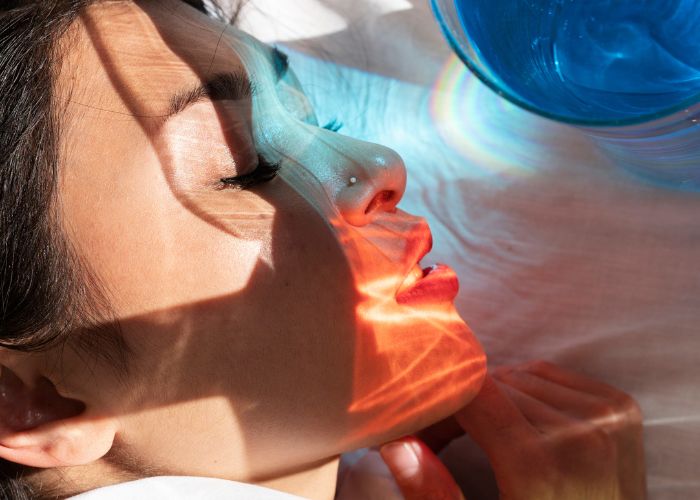
The effects of Infrared light on skin can be a friend to your skin.It improves circulation, which can help wounds heal faster and might even reduce wrinkles. It may also calm down inflamed skin from conditions like eczema. However, just like spending too much time in the sun, using infrared light for too long can burn your skin. It can also make you sweat, so be sure to drink plenty of fluids. Remember, everyone's skin reacts differently, so start slow and see how yours feels. If you have any skin concerns, talk to your doctor before using infrared therapy.
Conclusion
Infrared therapy shows promise as a complementary treatment for pain relief, wound healing, and potentially other conditions. Research is ongoing, but studies suggest it may be effective, particularly for chronic pain. However, it's not a magic bullet. Remember to manage lifestyle factors and consult a doctor before starting any new therapy. This blog provides a general overview, but a doctor can offer personalized advice based on your specific needs.